
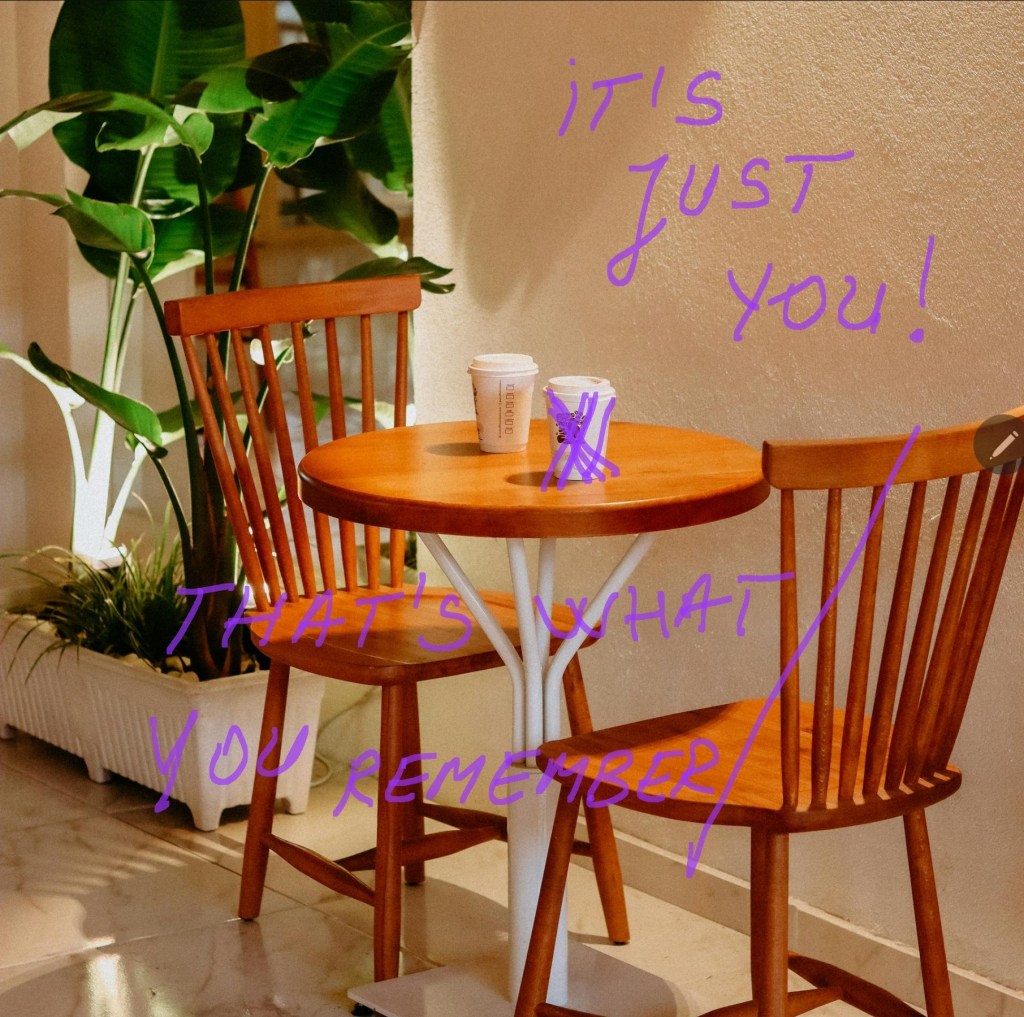
“One doesn’t have to operate with great malice to do great harm. The absence of empathy and understanding are sufficient.”
Charles M. Blow
Psychologists studied some behaviours proven to be common amongst adults who were raised by emotionally absent parents and the repercussions of such “trauma” to the adult involved and it’s romantic relationships.
I think it is very important for us to notice our behaviours, our ways of dealing with people and/or situations, in order for us to be able to forgive, to let go, to act different and obtain better results.
Psychologist L.Gibson, talked about 5 signs that you were raised by an emotionally absent parent:
- 1. You’re used to expecting the bare minimum from people.
According to Gibson, you learned not to ask for too much in relationships, because you didn’t get much interest from the people you were supposed to get and that, supposably, loved you, so, you are accustomed not to the bare minimum in a romantic relationship.
As a result, you might go along with a partner who doesn’t react to
you or give you much emotional support, because it feels familiar. In time, this leads to self-esteem issues and frustration and rupture. - 2. You feel like you have to perform to keep someone interested.
Another side effect of being raised by an emotionally absent parent is feeling like you have to do everything to get your partner’s attention and admiration.
“You might turn yourself inside out being charming, being
entertaining, commanding attention from somebody who otherwise seems to just kind of drift away from you,” Gibson said. You can go through life feeling like just being yourself isn’t enough to keep anyone around. And this makes you the perfect target for a narcissistic partner, which is the third sign. - 3. You can fall for more narcissistic types
Because children of emotionally absent parents learn to accept very little while also craving love and attention, it can make them a prime target for more narcissistic partners, Gibson said.
Narcissistic partners “idealize people when they’re starting to date
them, they build them up, they’re very complimentary, they’re very generous,” Gibson said, and this is all a child raised in the absence of emotional connection craves for.
At the same time, it can be hard to notice when these partners
are controlling or withholding affection on purpose because “it feels so nourishing and so secure to be held in the attention of someone who is so admiring of you,” Gibson said. - 4. You do the emotional work for both partners in your relationships
It feels so natural to tolerate indifference, so, “lots of times, the child of the emotionally immature parent will end up doing all the emotional work in the relationship,” and it’s exhausting.
You are responsible for communication, you’re responsible for emotional sharing, you’re responsible for keeping things at a civil level, which enables the other person to coast by. - But, everyone needs to be seen and, for adult children of
emotionally absent parents, those demands will come, but might come later than sooner.
Oftentimes, after you’re married or in a long-term relationship that you “start to expect to get what you didn’t get from that emotionally absent parent,” she said, and that is because you feel the relationship is locked in and you may feel comfortable enough to express old unmet needs and expectations. - But, as long as you’ve never asked for these things before, there is a strong possibility that your partner will “end up being as emotionally absent as the original parent”, Gibson said.
So, what I loved the most from this study, was the advice she gave to such adults who recognize that one or both of his parents were
emotionally absent, and that is: - “It’s good to let your other relationships play out for a while before making any serious commitments like moving in together or marriage. That way, you can be aware of and avoid these potential pitfalls. So if you state your needs and are met with a blank face once again, you can finally break the pattern – and move on to
people who want to support you.” - I hope this post helped one of us in some kind of way!
Love U❤️

 The Unconventional WOMAN
Leave a reply to Anonymous Cancel reply